
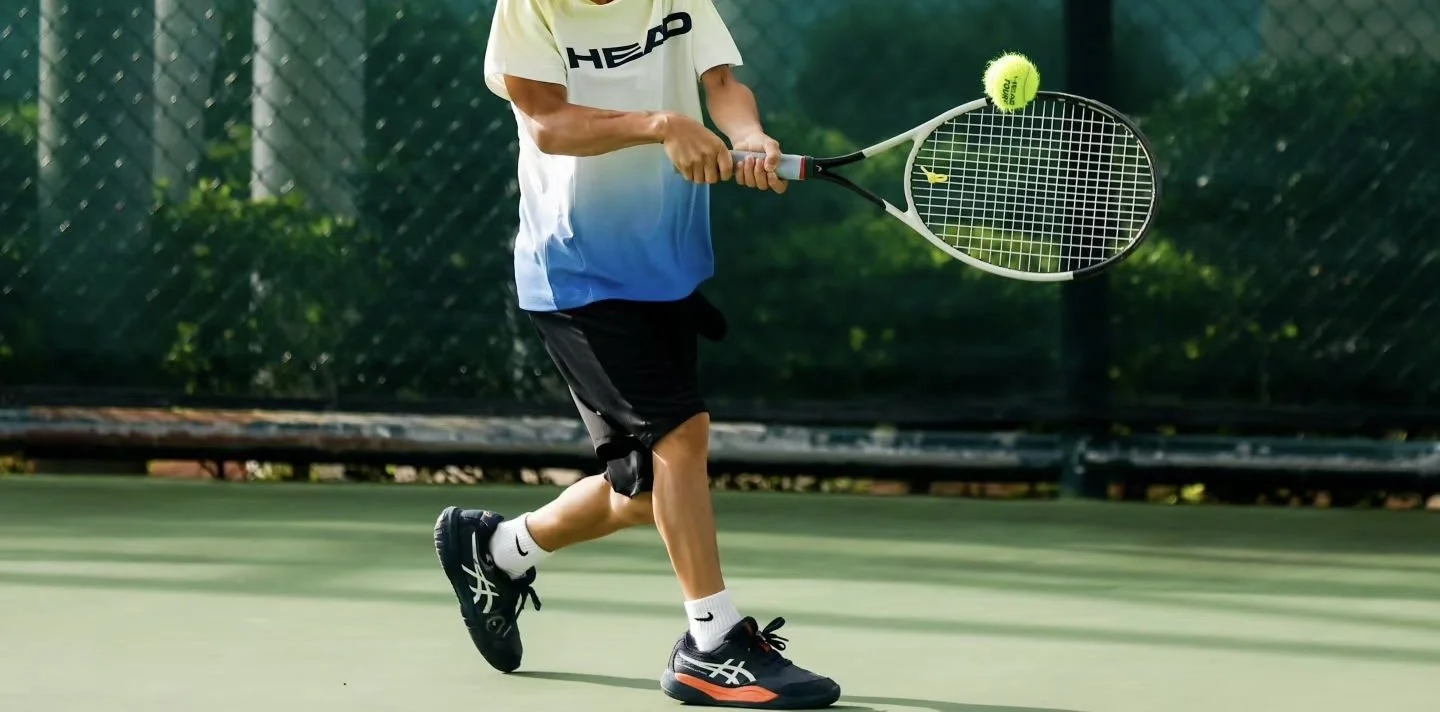
WHY UTR WON’T DEVELOP YOUR PLAYER: THE KEY DEVELOPMENT METRICS PARENTS SHOULD FOCUS ON INSTEAD
UTR isn’t the problem. The problem is what happens when the number becomes the focus of every conversation. This article explains why ratings measure performance but don’t build it, and introduces four development metrics parents can track to support real competitive growth instead of chasing numbers.

WHY YOUR JUNIOR SEEMS SLOW ON MATCH DAY: THE CRUCIAL PREPARATION GAP PARENTS OVERLOOK.
When juniors look flat or slow on match day, families often assume a fitness or effort issue. In reality, it’s usually a preparation gap. This article explains why performance starts hours before the first ball, and how simple changes to match-day routines can help players feel ready from the first point.

7 SIGNS YOUR JUNIOR LACKS COMPETITION SKILLS, NOT TALENT
When juniors look great in warm-up but fall apart once matches begin, families often call it “choking.” In reality, it’s usually a competition skill gap, not a talent or character issue. This article breaks down seven clear signs to help parents understand what’s missing and what can actually be trained.

WHY TOURNAMENT WEEKENDS CREATE SO MUCH FAMILY TENSION
Tournament weekends don’t just test junior players, they test families. Without clear roles, language, and timing, even supportive parents can create pressure without meaning to. This article introduces a Parent Performance Framework that helps families stay connected, calm, and aligned through competition.

HOW TOURNAMENT INSTRUCTIONS SABOTAGE YOUR JUNIOR’S PERFORMANCE.
One last reminder before the match feels supportive, but often creates pressure instead. Match-day instructions add cognitive load, shift ownership, and quietly change how juniors compete. This article explains why timing matters, what players actually hear, and how parents can protect performance by stepping back.
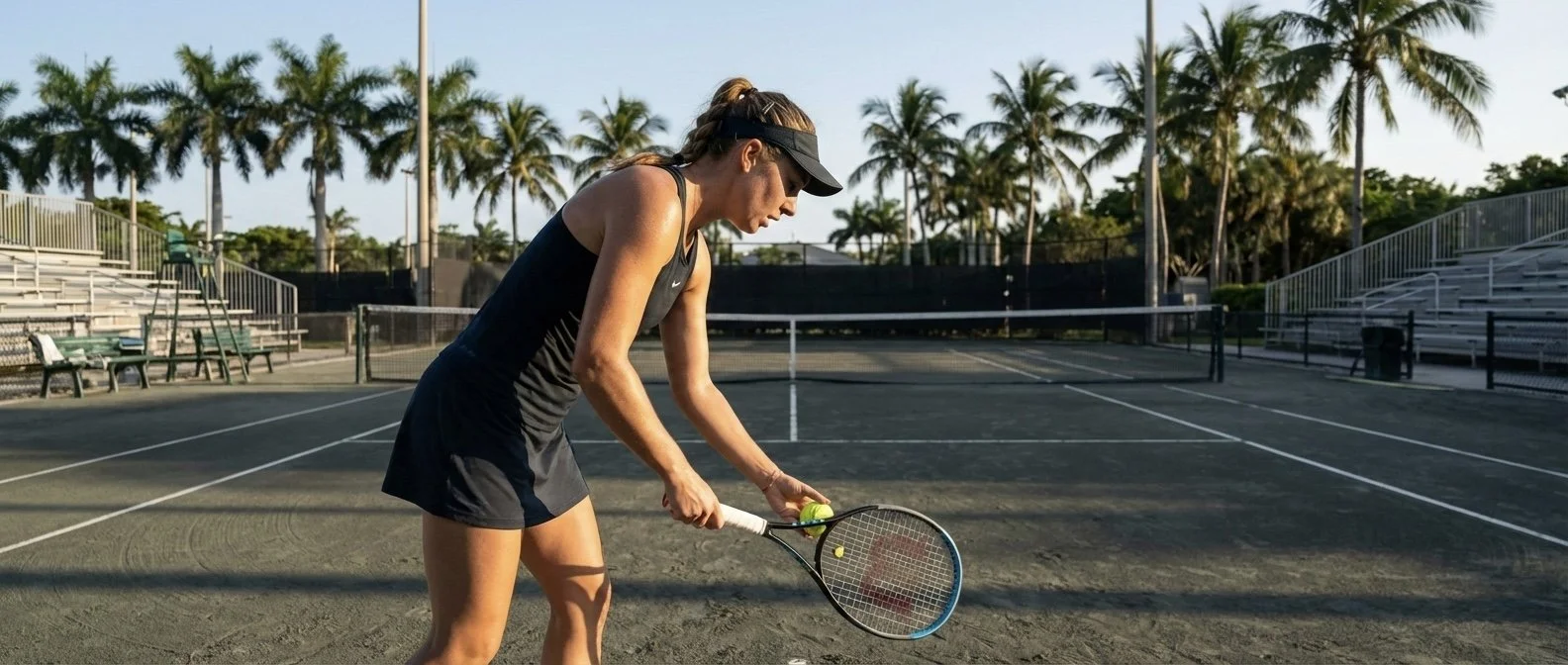
WAIT… SO MY CHILD IS NOT JUST NERVOUS? WHEN THE STROKES STAY, BUT THE PLAYER DISAPPEARS.
Your junior player looks confident in practice, then plays smaller when matches get tight. The strokes are still there, but the decisions change. This isn’t about nerves or effort. It’s about what competitive identity shows up when pressure arrives.

THE REAL REASON JUNIOR PLAYERS LOSE THE IMPORTANT POINTS
Important points aren’t lost because junior players lack confidence. They’re lost because clarity disappears under pressure.
Important points reveal clarity, not courage. Learn why junior players struggle under pressure and how structure, patterns, and simple decisions win matches when it matters most.
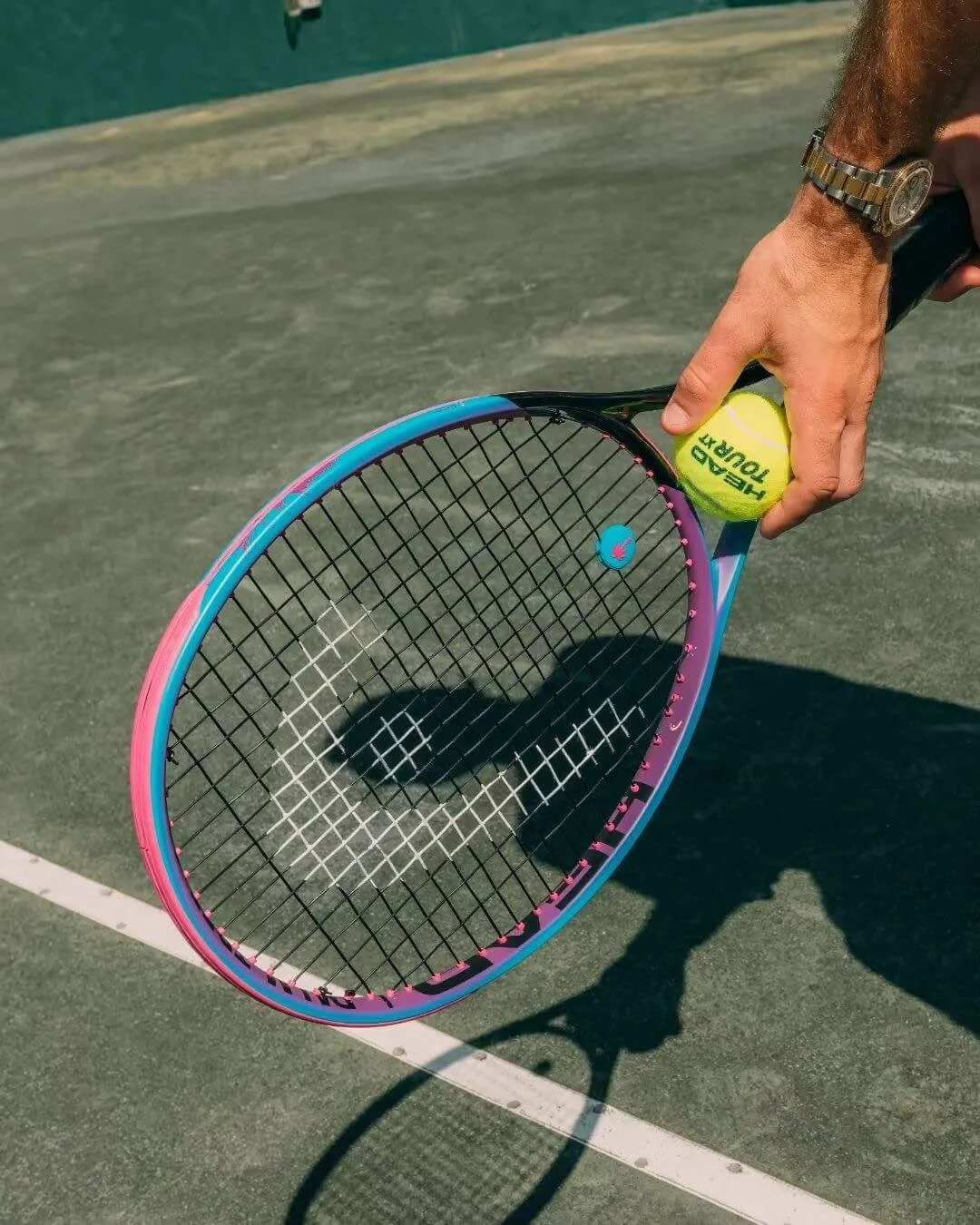
WHY THE TOP PLAYERS NEVER STOP PERFECTING THE BASICS?
Strong fundamentals aren’t just about clean technique; they define who a player becomes under pressure. When matches tighten and time disappears, players don’t rise to the moment, they return to their most rehearsed habits. This article explains why small technical flaws, left uncorrected, quietly shape competitive identity and limit long-term development, and why elite coaches obsess over fundamentals long before results demand it.

HOW TO KNOW WHEN IT’S TIME TO CHANGE COACH, AND WHEN IT’S NOT
Changing coaches isn’t just a scheduling decision; it’s a development decision. This guide helps families understand the real signals that a change is needed and the traps that can damage a player’s long-term growth.

WHY PLAYING ONLY STRONGER OPPONENTS IS LIMITING YOUR CHILD'S DEVELOPMENT
Most parents believe playing stronger opponents accelerates development. Elite coaches know it can do the opposite.
When juniors play only “up,” they learn to survive, not to decide.
And decision-making is what separates good players from complete competitors.
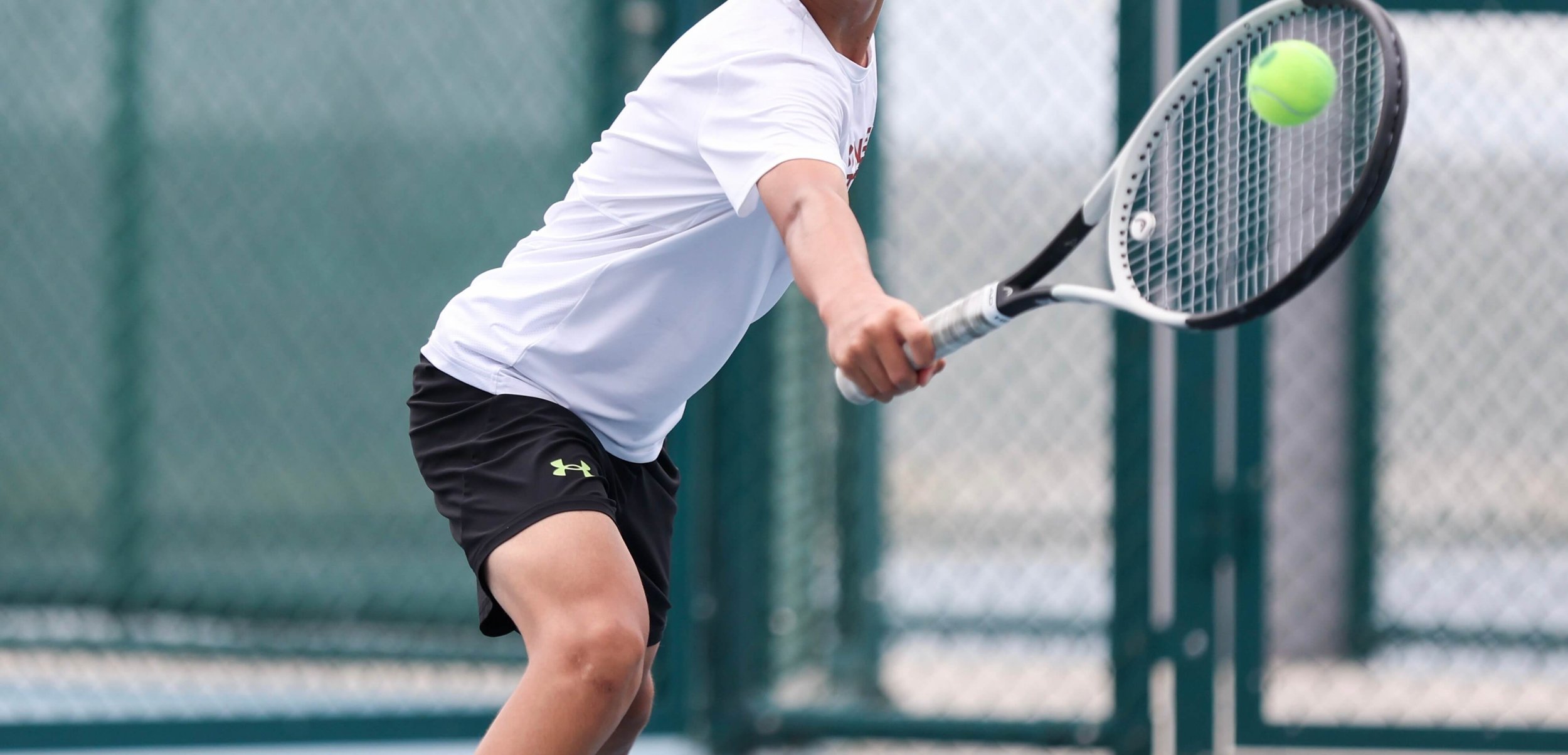
HOW TO FIND THE RIGHT COACH FOR A HIGH-PERFORMANCE JUNIOR
Choosing the right coach is one of the most important decisions in a junior player’s career. This guide reveals what truly matters (beyond trophies, resumes, and reputation) so families can build a long-term, high-performance pathway.
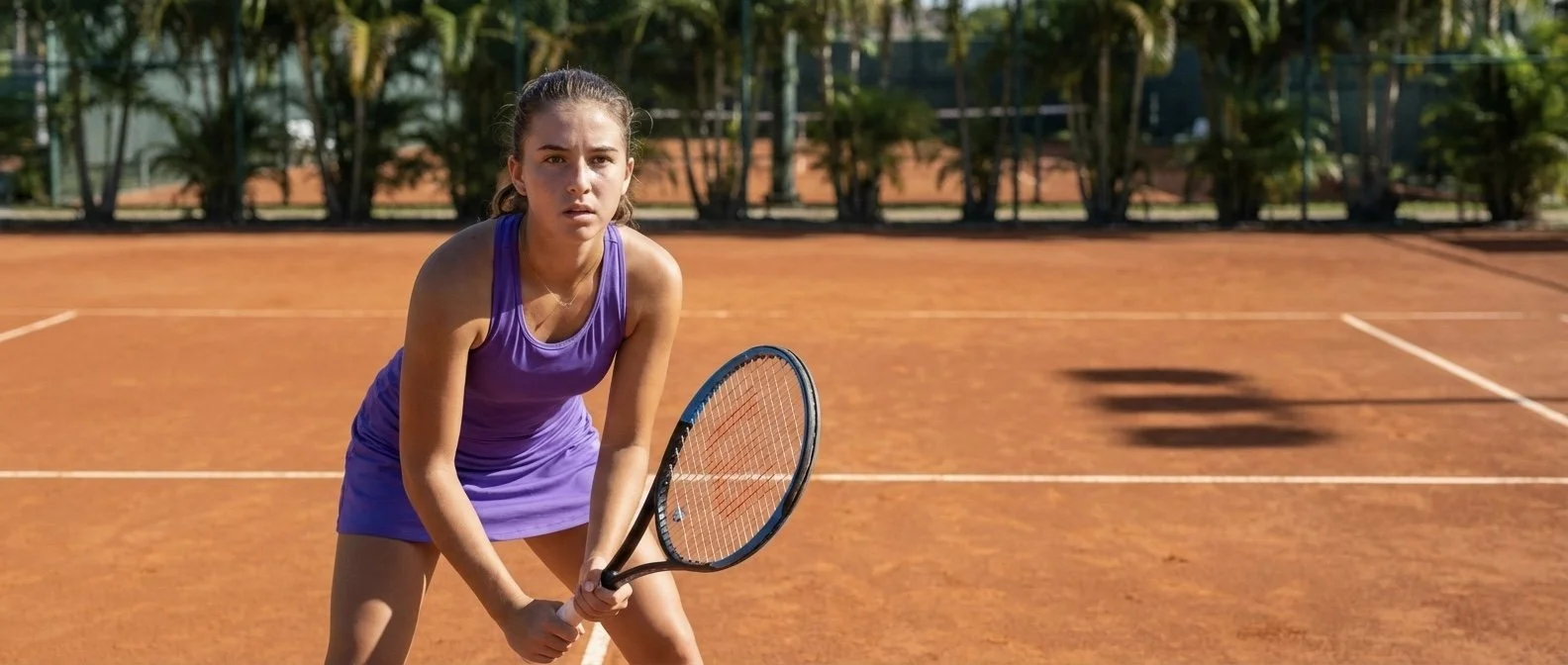
WHAT SEPARATES GOOD PLAYERS FROM GREAT ONES
The difference between a good player and a great one is almost never talent. It’s the way they think, train, reset, and respond to difficulty. This article breaks down the high-performance traits that create truly great competitors.

HOW REAL DEVELOPMENT ACTUALLY HAPPENS IN TENNIS
Real development in tennis isn’t built on shortcuts or quick results. It’s a slow, structured process based on fundamentals, repetition, and clarity, not hype. This article breaks down how true progress actually happens